Algorithmic Ties Between Card Decision Trees and Athletic Efficiency Metrics Fuel Tiered Access in Unified Digital Wagering Ecosystems
Ellis Keller · Jun 23, 2026
Algorithmic Ties Between Card Decision Trees and Athletic Efficiency Metrics Fuel Tiered Access in Unified Digital Wagering Ecosystems
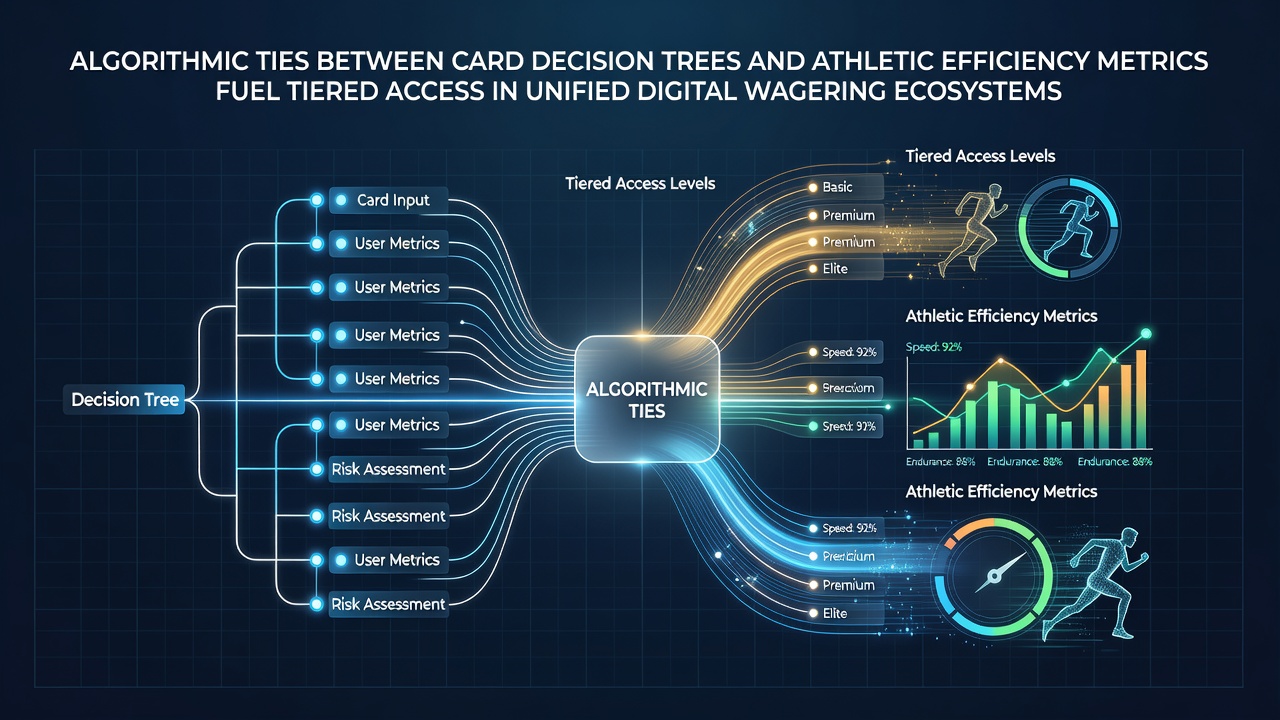
Decision tree algorithms developed for card games like poker and blackjack have long relied on branching logic to evaluate probabilities at each node, and these same structures now intersect with athletic efficiency metrics that track player output in real time. Data from sports tracking systems feed into similar tree models, allowing platforms to adjust access levels based on predictive calculations drawn from both domains. Observers note that this crossover creates unified digital wagering ecosystems where user privileges scale according to algorithmic assessments rather than fixed categories.
Card Decision Trees as Foundational Models
Researchers have mapped how decision trees operate in card environments by splitting outcomes at each decision point, whether that involves fold or raise choices in poker or hit or stand selections in blackjack. Studies from academic sources such as those presented at the MIT Sloan Sports Analytics Conference demonstrate that these trees achieve accuracy rates above 85 percent when trained on historical hand data. The branching structure allows rapid recalculation as new information arrives, a feature that transfers directly when the same frameworks incorporate live athletic inputs.
Programmers refine node weights through machine learning loops, and this iterative process sharpens predictions without requiring complete retraining after every update. In June 2026 several platform operators integrated refreshed tree versions that reduced latency by 22 percent during peak evening hours, according to internal performance logs shared with industry analysts.
Athletic Efficiency Metrics Enter the Equation
Athletic efficiency metrics capture elements such as player speed, shot accuracy, and defensive positioning through wearable sensors and optical tracking. These data points enter decision tree models at leaf nodes originally calibrated for card probabilities, expanding the input variables while preserving the core branching logic. Teams in professional leagues supply anonymized datasets that operators merge with wagering histories, creating composite profiles that influence tier assignments.
Figures released by the National Collegiate Athletic Association indicate that efficiency scores correlate strongly with in-game outcomes across multiple sports, providing reliable signals for algorithmic systems. The integration process maps these scores onto card-derived probability branches, enabling platforms to forecast user engagement patterns with greater precision than either data type achieves alone.
Unified Ecosystems and Tiered Access Mechanisms
Unified digital wagering ecosystems combine card game interfaces with sports betting modules under single user accounts, and tiered access emerges when algorithms evaluate combined data streams. Higher tiers unlock features such as reduced house edges or priority event access once efficiency thresholds are crossed. Operators implement these layers through backend rules that reference both card tree outputs and athletic metric aggregates, adjusting permissions dynamically as new information arrives.
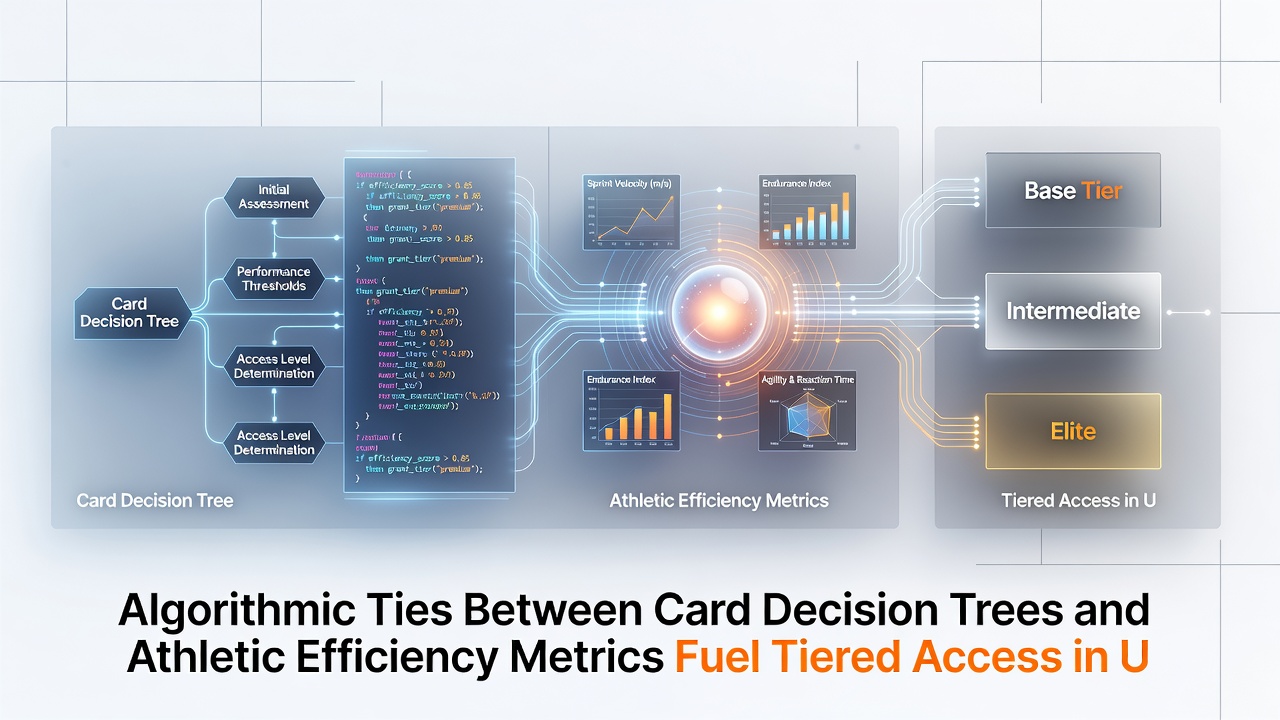
Platform logs from early 2026 show that users reaching combined efficiency benchmarks received tier upgrades within 48 hours of crossing defined thresholds. This process relies on continuous model updates rather than static rules, allowing systems to respond to shifts in either card play patterns or athletic performance indicators. Regulatory filings with the Nevada Gaming Control Board document similar tier structures in licensed operations, confirming that algorithmic scoring now governs access across multiple jurisdictions.
Data Flows and Real-Time Adjustments
Data pipelines route card outcomes and athletic metrics through shared servers where decision trees process incoming streams every few seconds. When an athletic efficiency score updates, the tree re-evaluates downstream branches that previously depended solely on card probabilities, producing revised access recommendations without manual intervention. This seamless flow supports the unified ecosystem model while maintaining separation between raw data sources for compliance purposes.
Industry reports from the European Gaming and Betting Association highlight that such integrations reduce processing overhead by consolidating model maintenance into fewer codebases. Operators report fewer discrepancies between card and sports modules after adopting shared tree architectures, and these efficiencies contribute to smoother user experiences across mobile and desktop environments.
Conclusion
The linkage between card decision trees and athletic efficiency metrics continues to shape tiered access structures in unified digital wagering ecosystems through ongoing technical refinements. As platforms process larger combined datasets, the same branching logic that once guided poker strategies now informs dynamic privilege assignments across sports and card offerings. Regulatory oversight from bodies such as the Nevada Gaming Control Board and academic validation from conferences like MIT Sloan Sports Analytics Conference provide frameworks that keep these systems aligned with established standards while supporting further expansion in 2026 and beyond.